Residential Gas Line Relocation Services
Relocating residential gas lines is a common necessity during home renovations, expansions, or property modifications. Proper planning and execution are essential to ensure safety and compliance.
This service involves safely rerouting existing gas lines to accommodate new layouts or structures within a residence.
Re-piping replaces outdated or damaged gas lines to improve safety and efficiency in a home.
Urgent relocations are performed to address safety concerns or urgent home modifications.
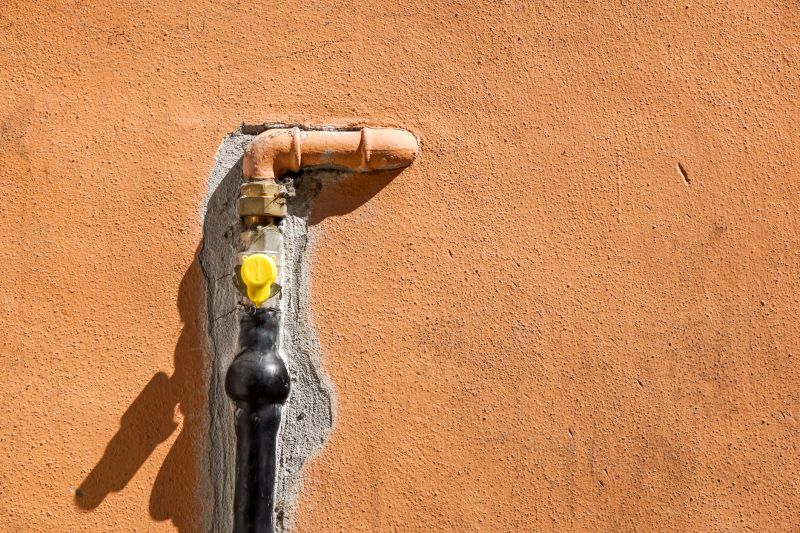
Residential gas line installation.
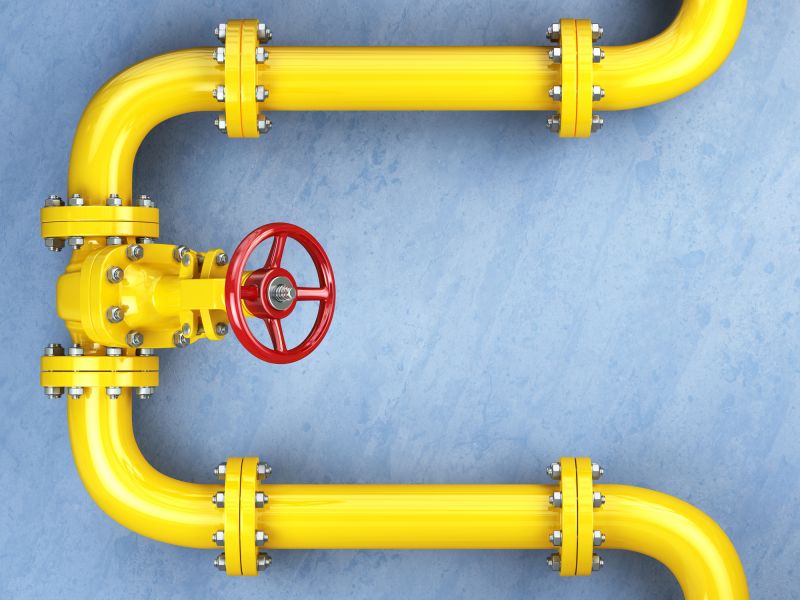
Gas line rerouting process.
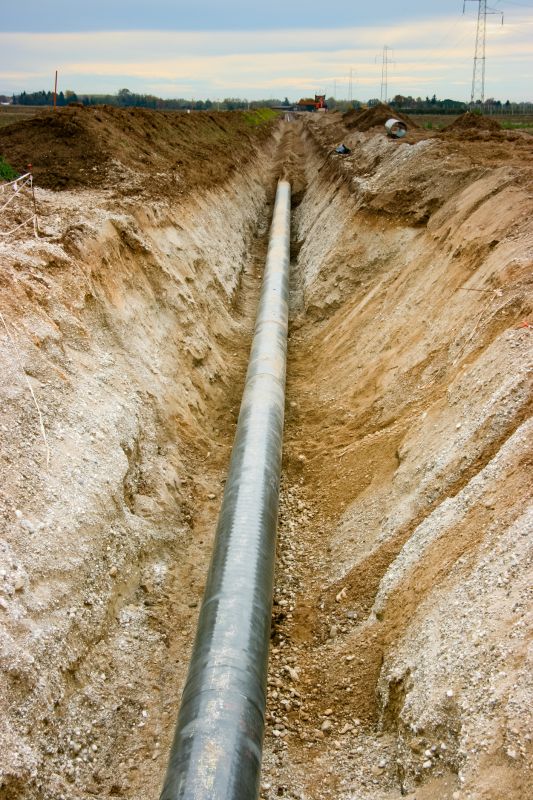
Installing new piping.
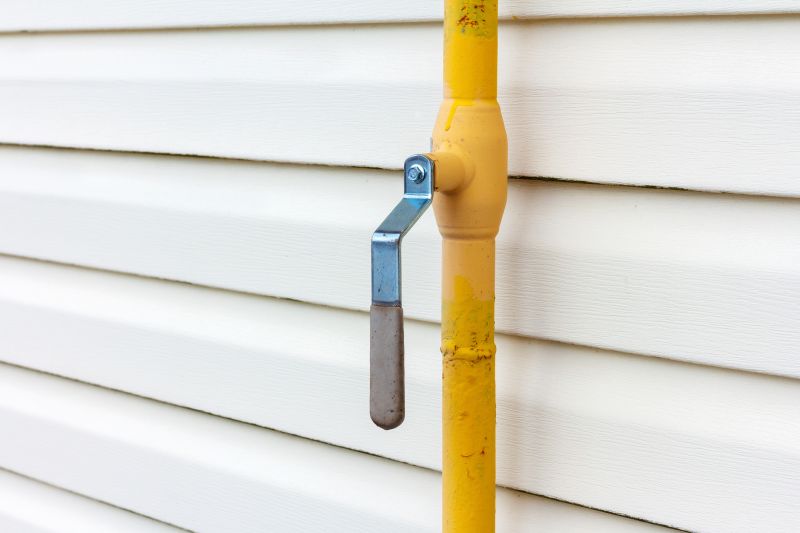
Control valve for safety.
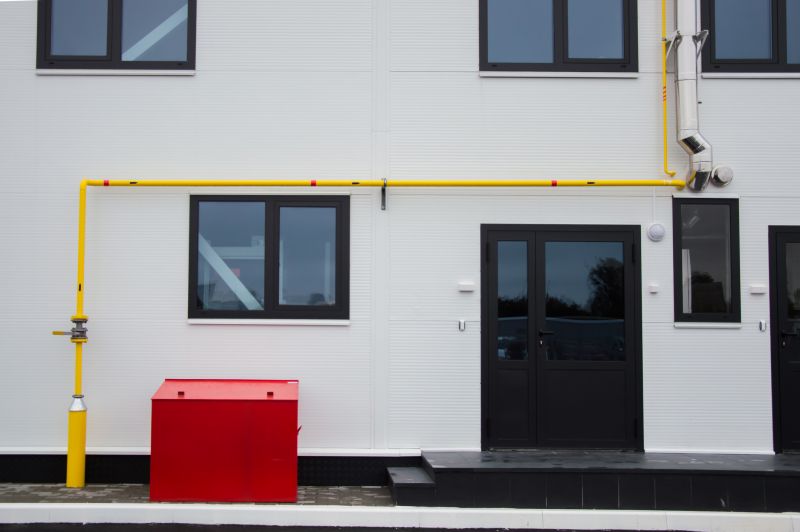
Outdoor gas line routing.
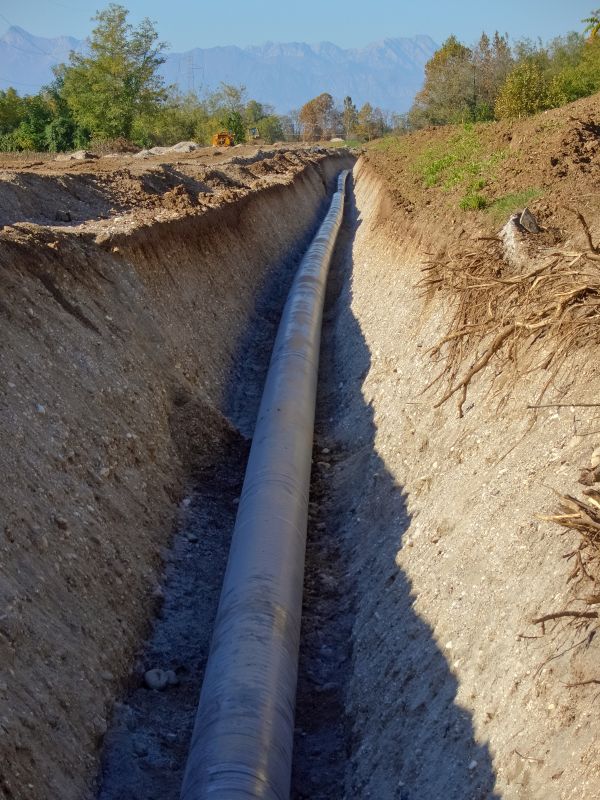
Excavation for line movement.
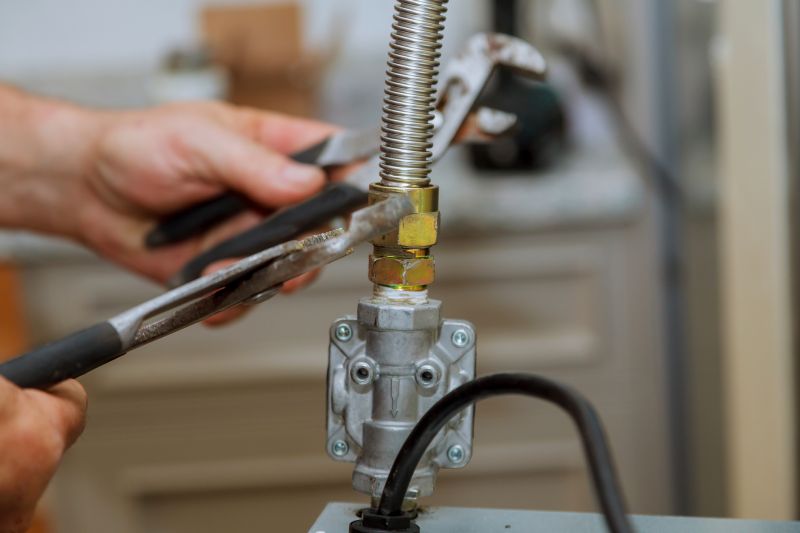
Secure fittings and connections.
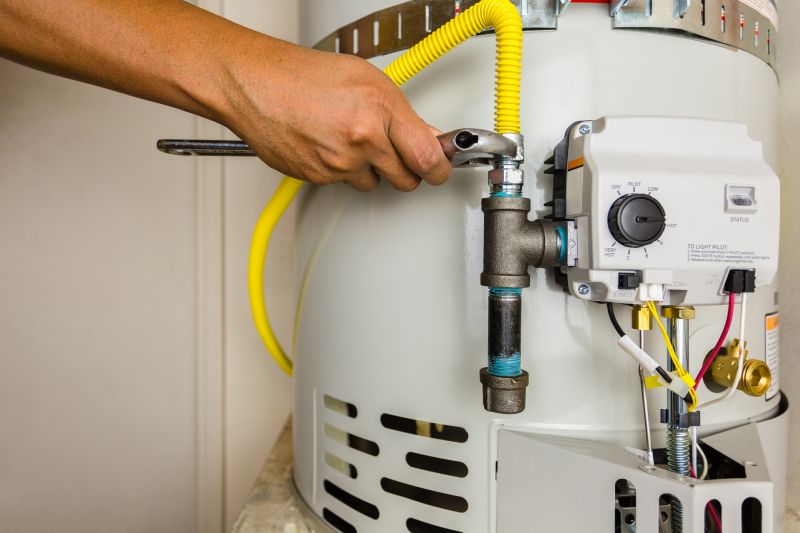
Ensuring proper installation.
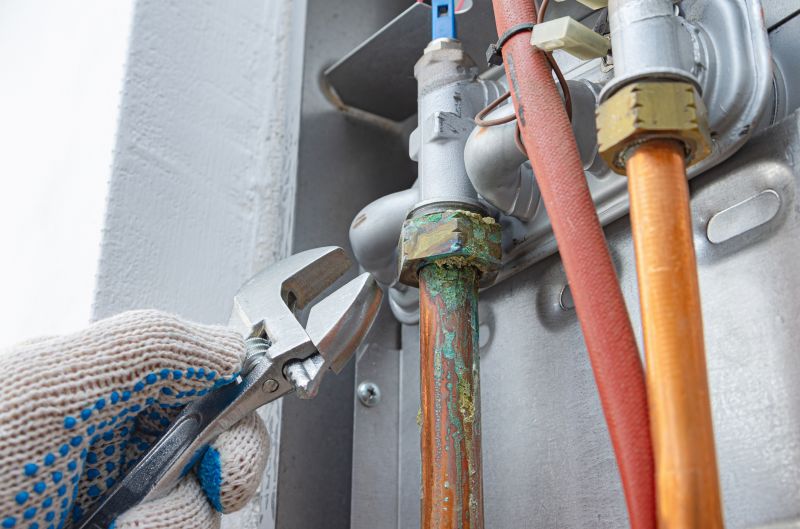
Fixing leaks or damages.
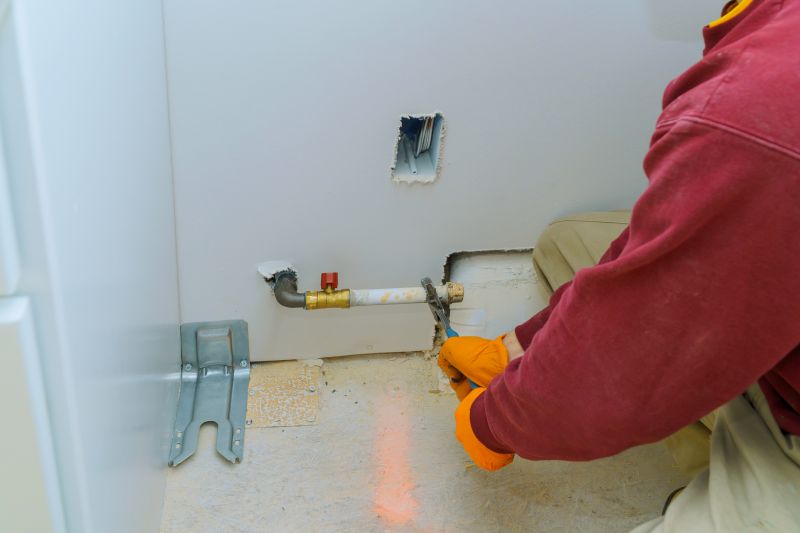
Indoor piping layout.
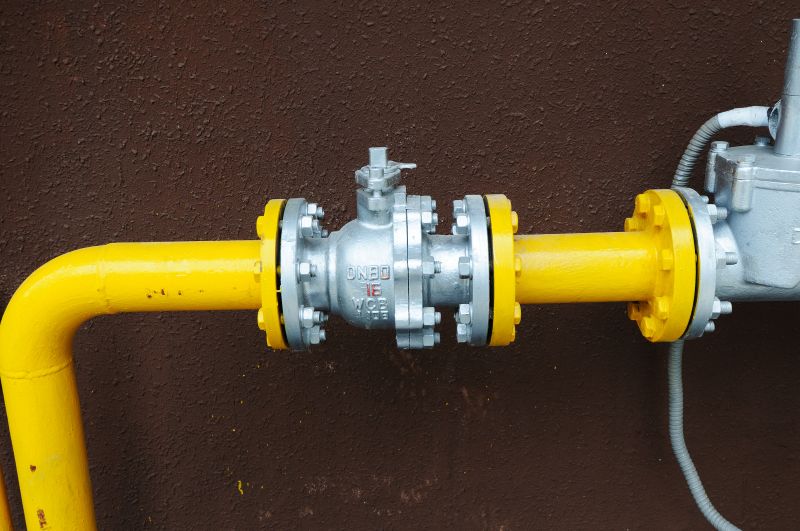
Exterior installation.
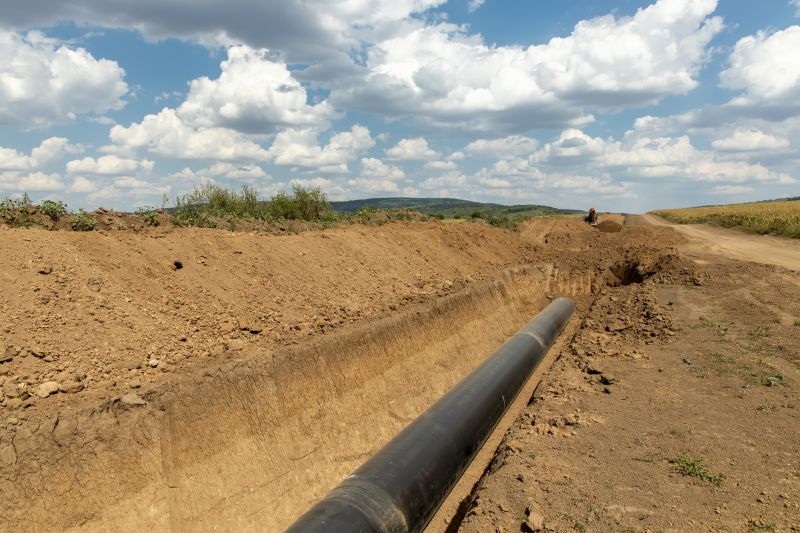
Tools used for relocation.
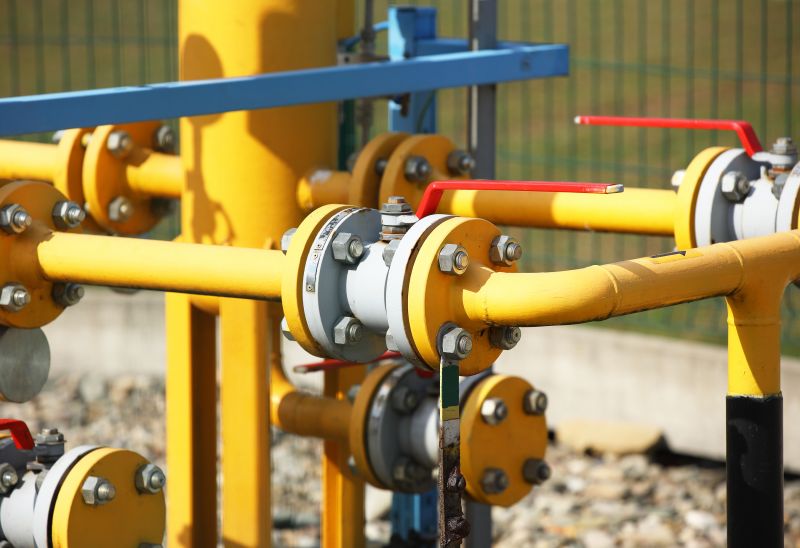
Fittings and joints.
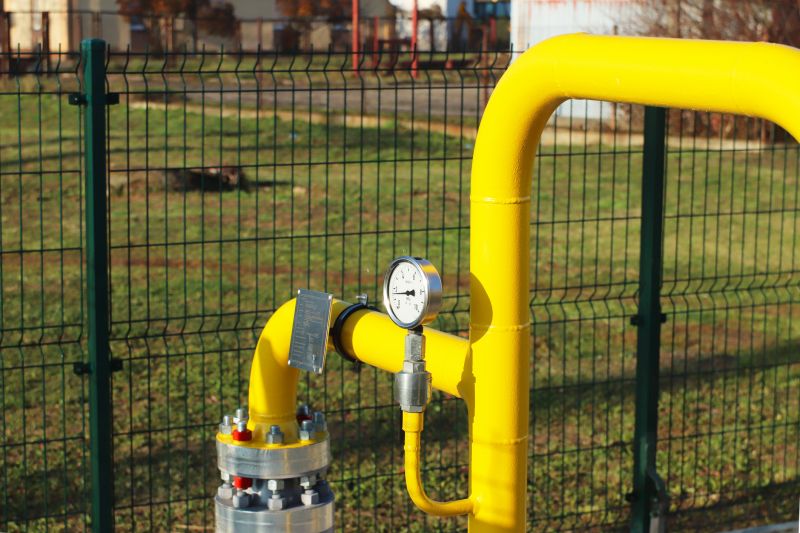
Meter setup for relocated line.
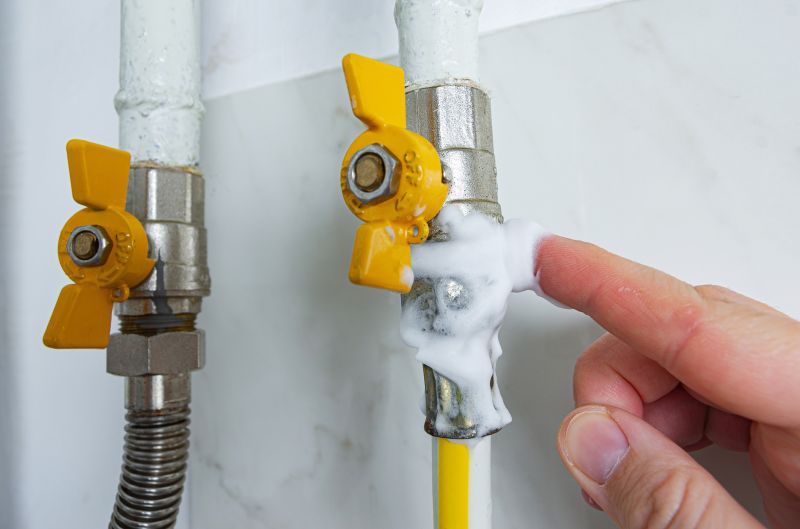
Tools for fixing leaks.
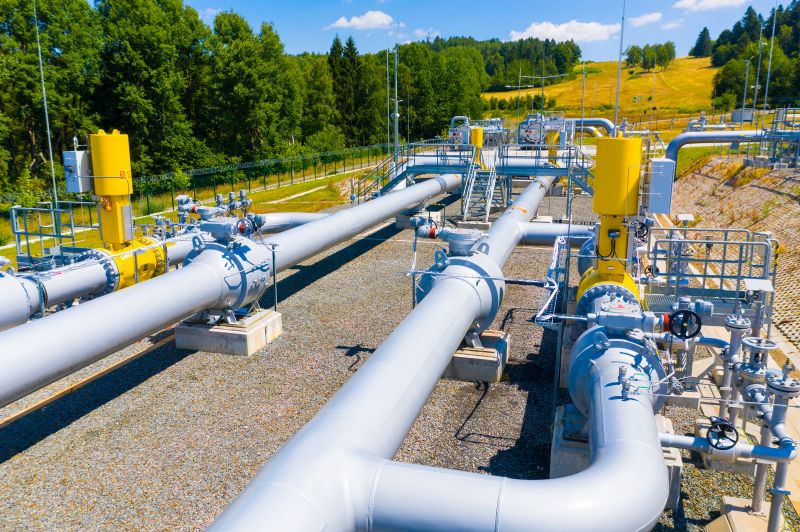
Pre-installation assessment.
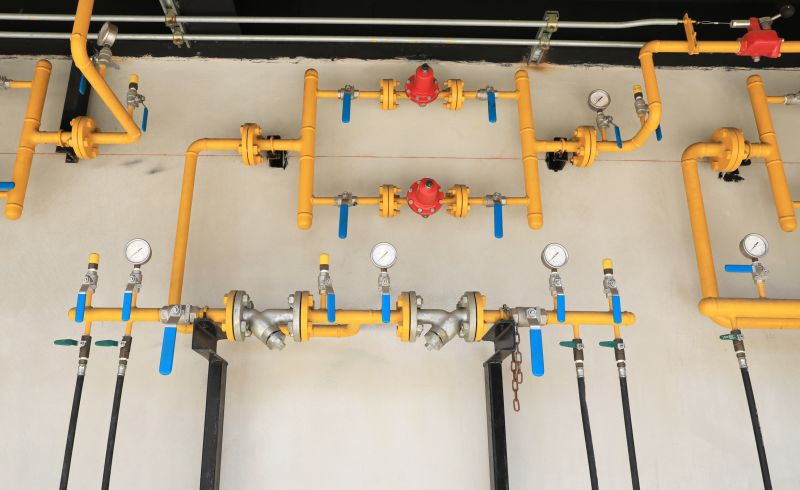
Final safety check.
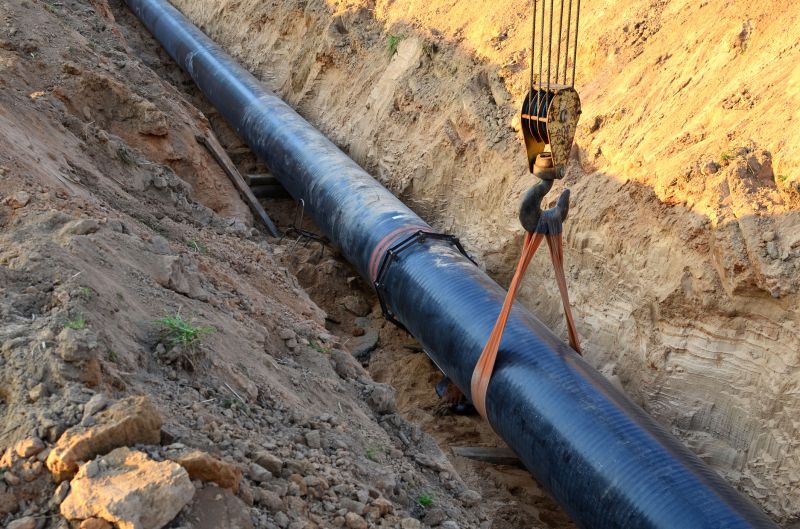
Excavation process.
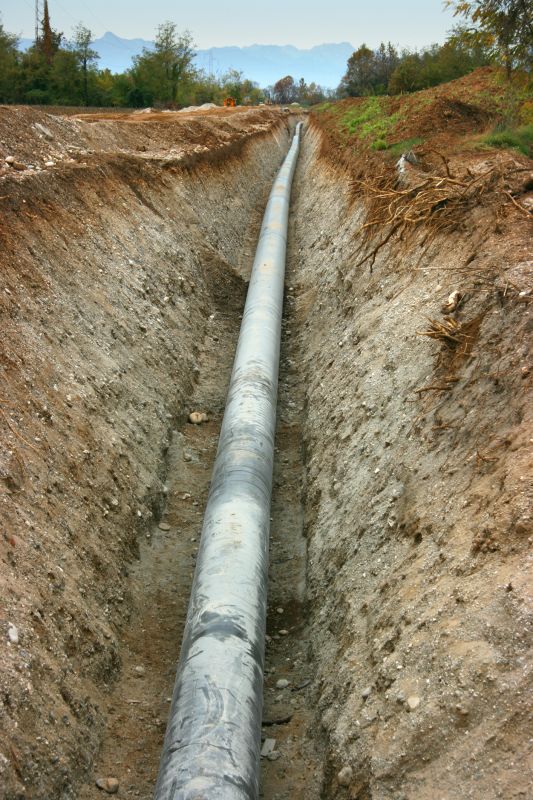
Laying new piping.
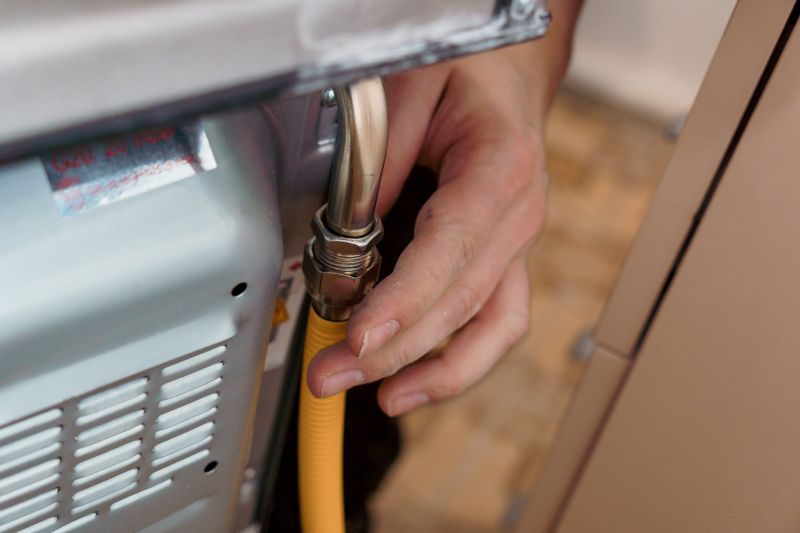
Safety control.
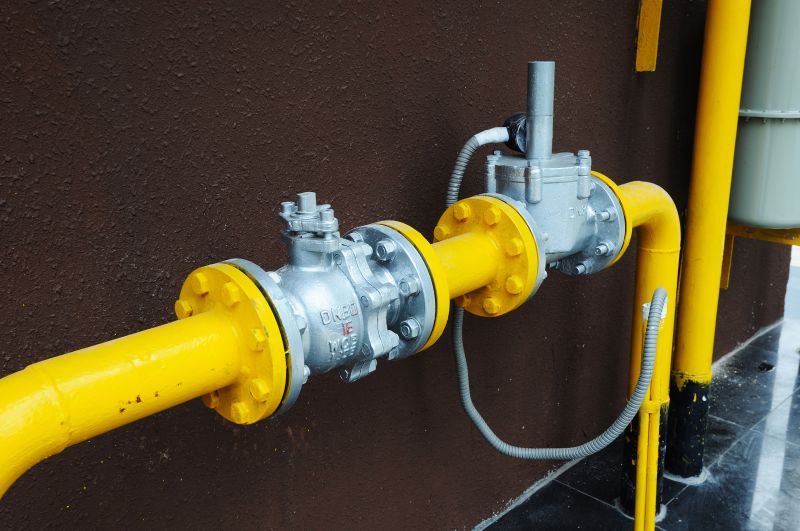
Outdoor routing.
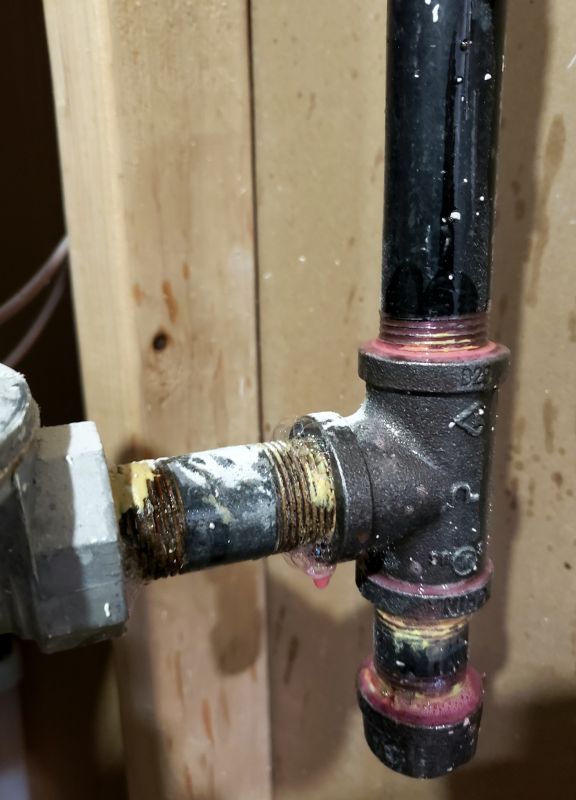
Leak fixing.
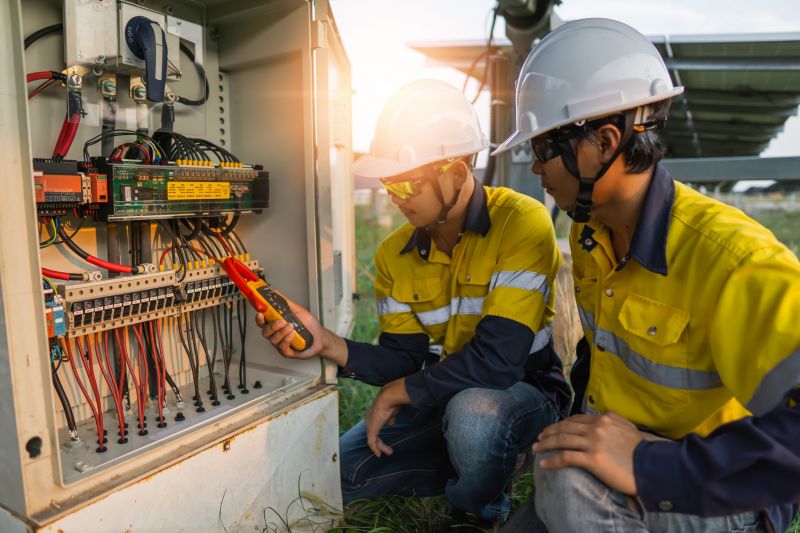
Ensuring safety standards.
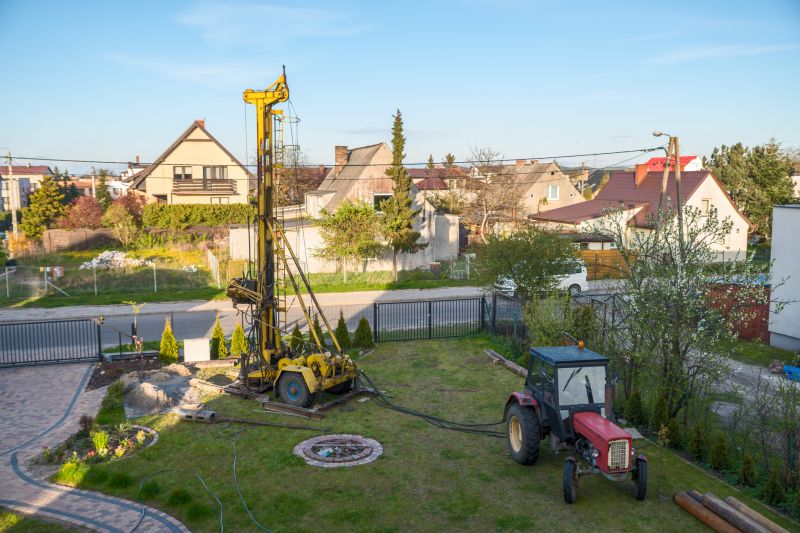
Tools and machinery.
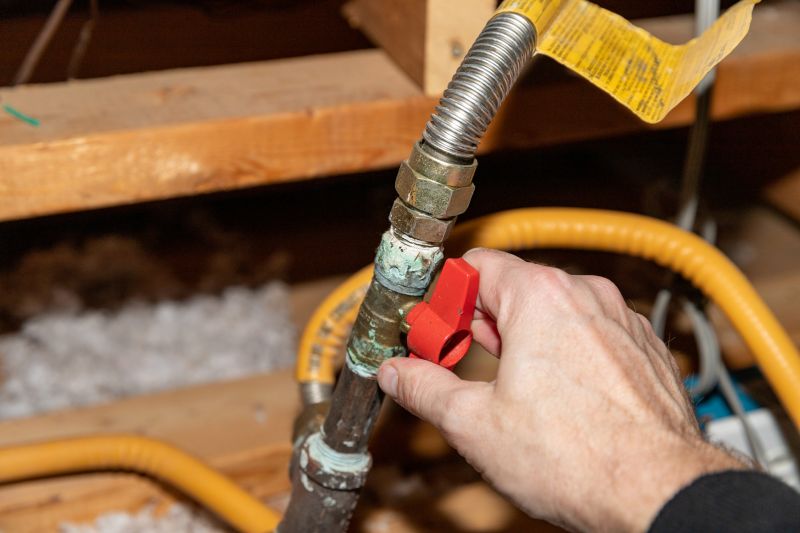
Fittings and connectors.
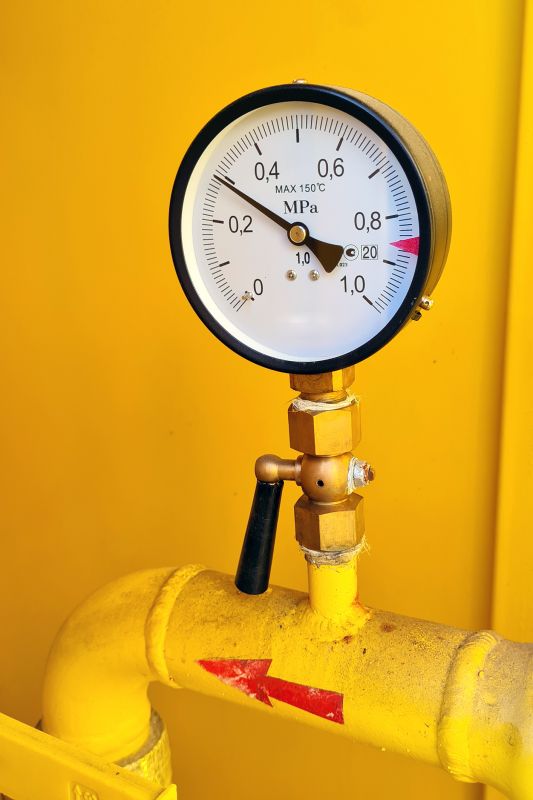
Pressure and leak tests.
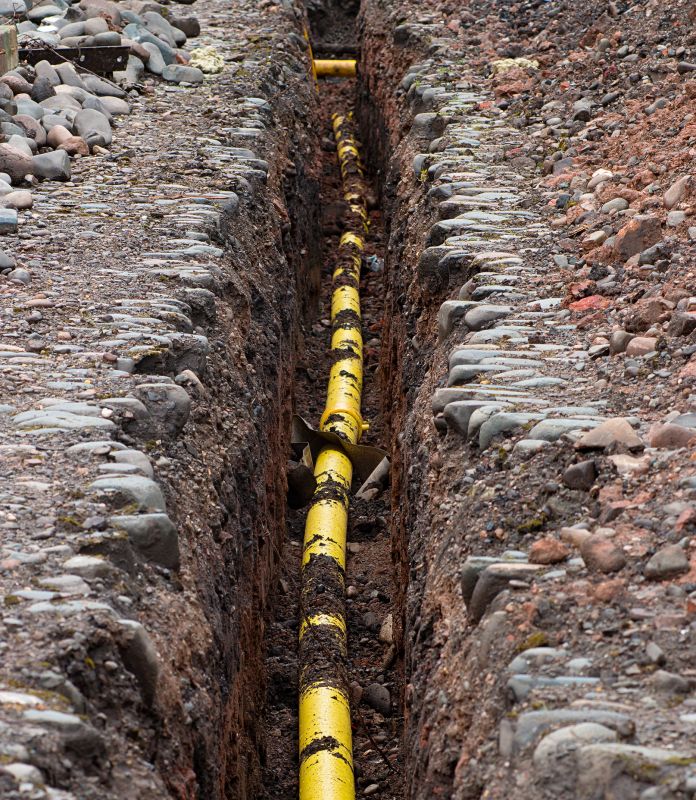
Completed installation.
The process of relocating a gas line typically involves initial assessment, planning, excavation, rerouting, connection, and thorough safety inspections. The duration depends on the complexity of the reroute and property specifics, often taking from a few hours to a day.
Expect clear communication about the scope of work, safety procedures, and timeline during the relocation process. Proper permits and inspections are essential components of the service.
To obtain a quote for residential gas line relocation, it is recommended to contact a professional service provider. Filling out the contact form provides an opportunity to discuss project details and receive tailored information.